Bridging Divides: Resolving Water Disputes for Better Development Outcomes
On March 22, organizations and communities around the world mark World Water Day to highlight the importance of fresh water, and to advocate for the sustainable management of freshwater resources. The day is of particular significance for CAO, as water is often raised as an issue of concern across our complaints.
Access to water for drinking, household use, and agriculture is a cornerstone of community life, and water sources are almost always at the heart of any human settlement. Yet, in many investment projects, water is also highly vulnerable. It can be contaminated, become a source of conflict between project developers and local communities, lead to the loss of livelihoods such as fishing, or be depleted altogether.
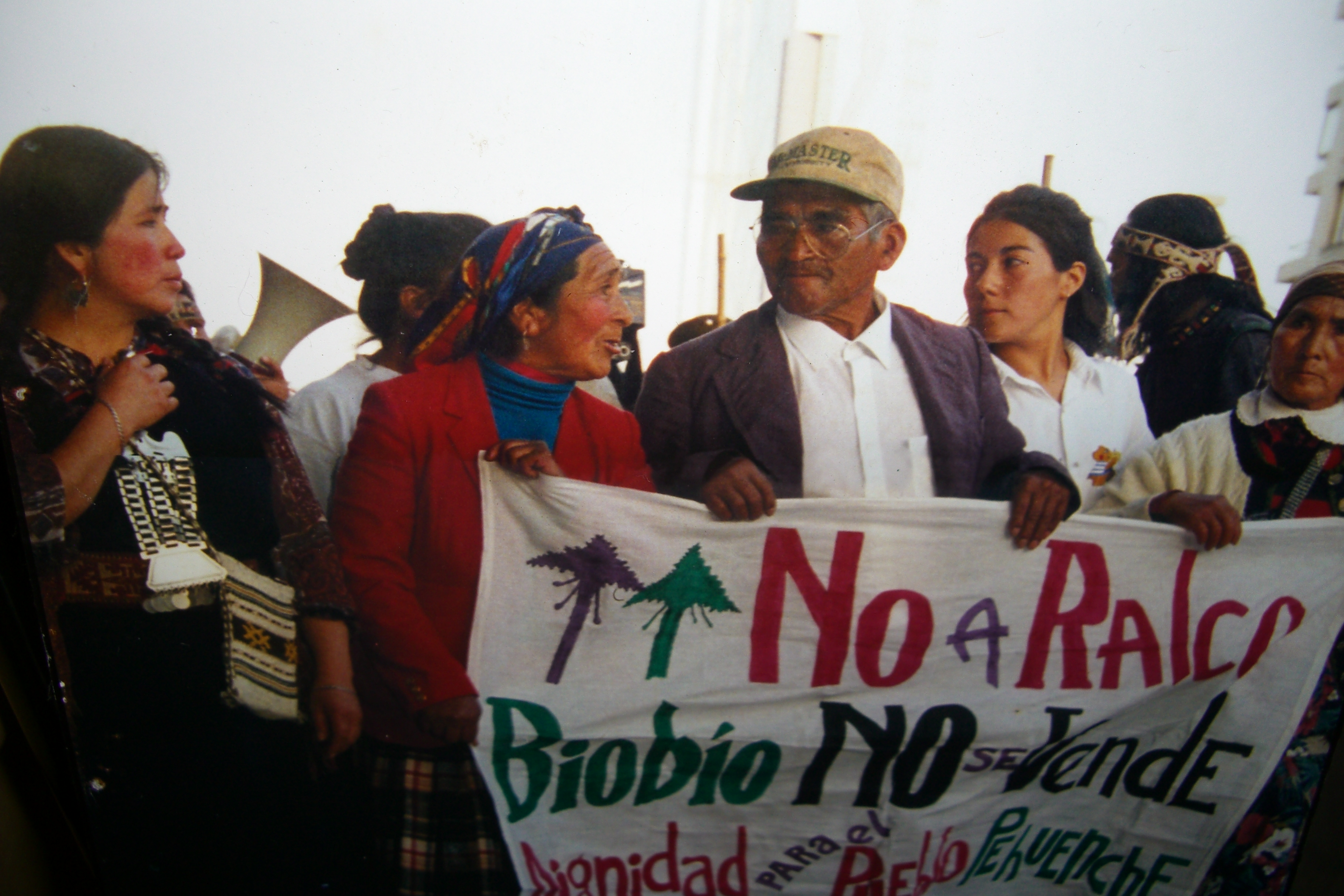
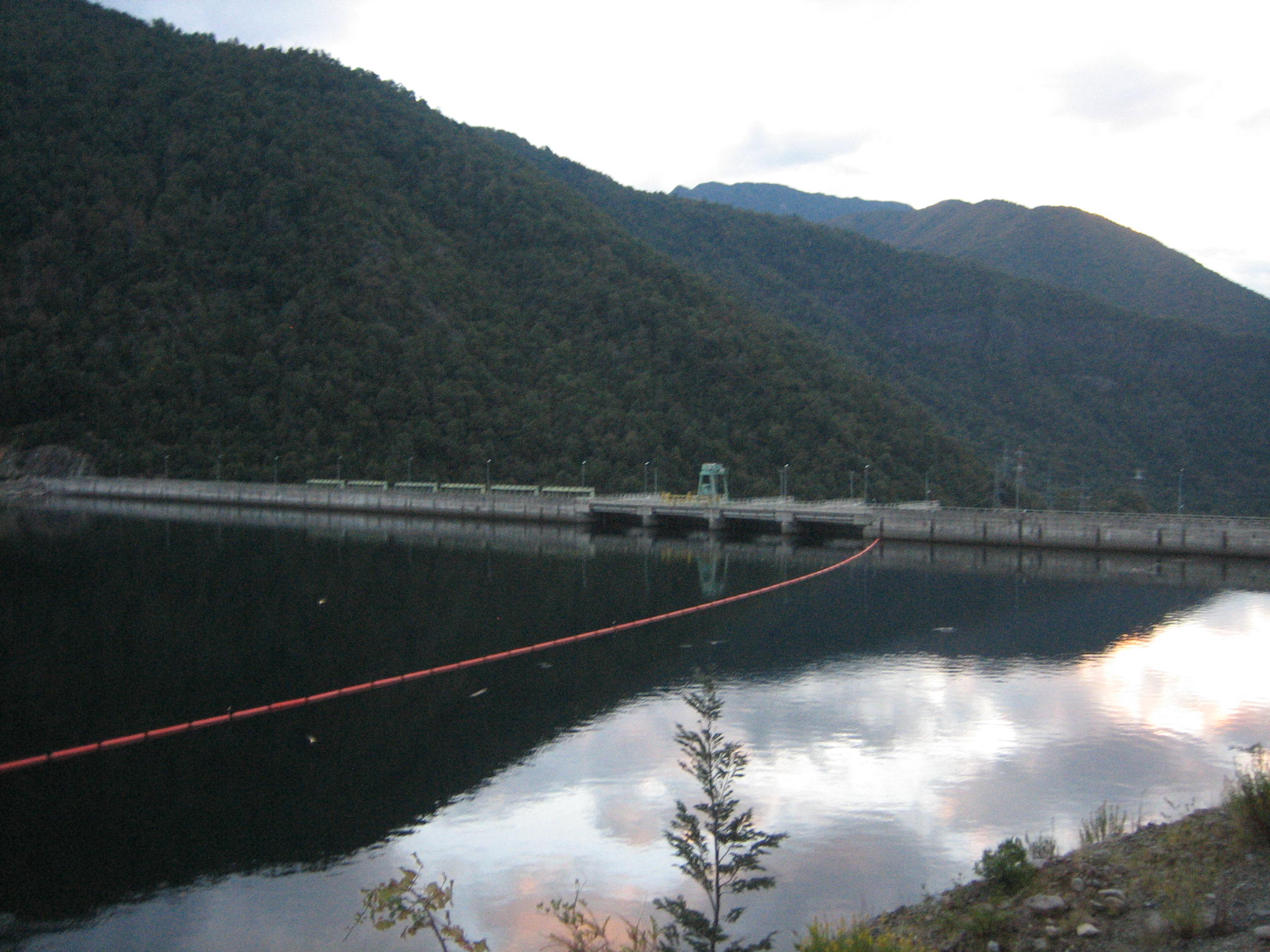
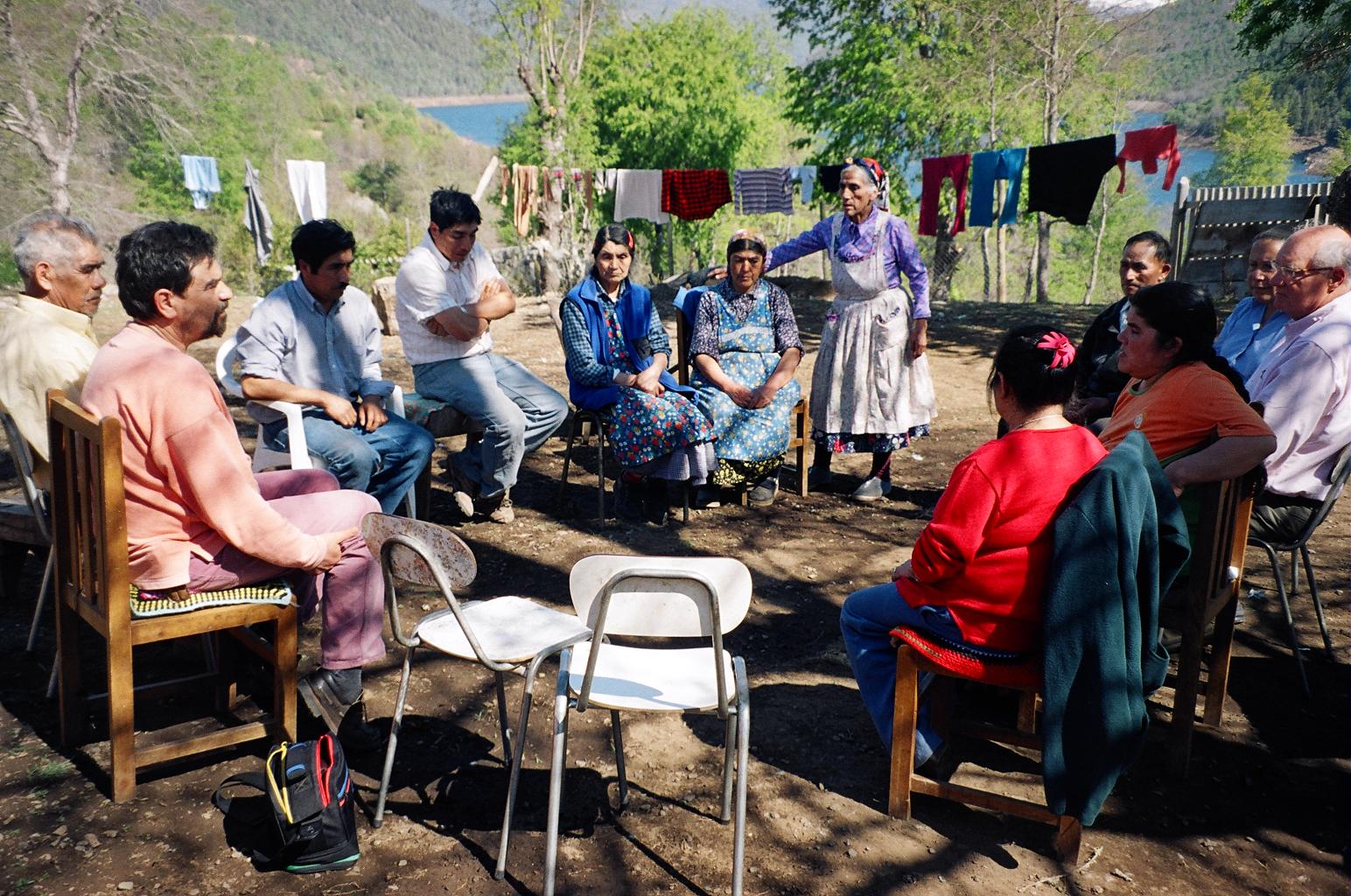
It is therefore not surprising that water-related concerns feature prominently in the complaints CAO has received over the years. One of CAO’s earliest cases involved women from Indigenous Pehuenche communities displaced by the Pangue Hydroelectric Project in Chile; their complaint focused on impacts to the local watershed, and a settlement agreement facilitated by CAO was signed in 2006. Water is currently an issue of major concern in 40 percent of CAO cases. Of these, cases involving water quality dominate at 31 percent, followed by those involving impacts on biodiversity and natural resources (22 percent), and impacts on community health (22 percent).
Our approach in many of these cases has focused on generating credible, accessible information that enables people to understand the impacts that matter most to them—building trust in both the process and its outcomes.
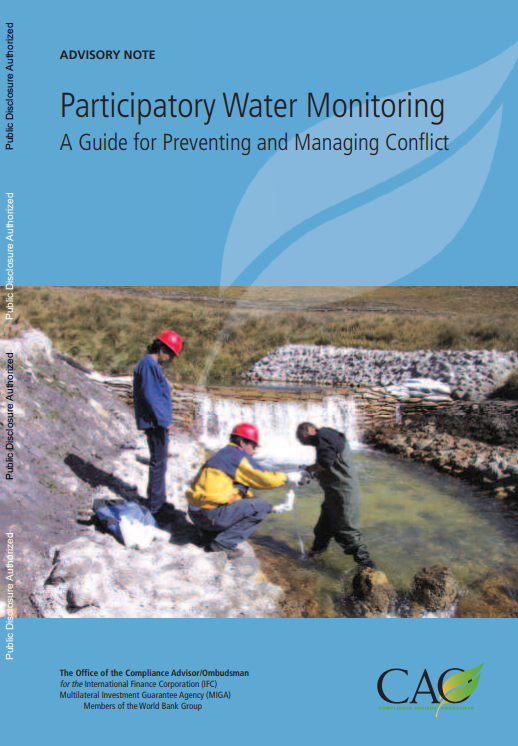
CAO’s experiences addressing water-related disputes, particularly around the Yanacocha gold mine in Peru, gave rise to CAO’s Advisory Note, Participatory Water Monitoring: A Guide for Preventing and Managing Conflict, which presents practical advice on how to meaningfully involve community members in technical studies.
Data and insights from CAO’s advisory work feed into the design and implementation of future IFC and MIGA projects where issues of water access and quality may be relevant
Among CAO’s water-involved cases, the most prominent themes are access to water, water quality, and water quantity—all with related livelihood, community health, and environmental impacts. These impacts flow mainly from projects in several key sectors, like mining, hydropower, industrial activities, and agribusiness.
Mining exploration and production projects, for example, can lead to groundwater depletion and may affect downstream water quality.
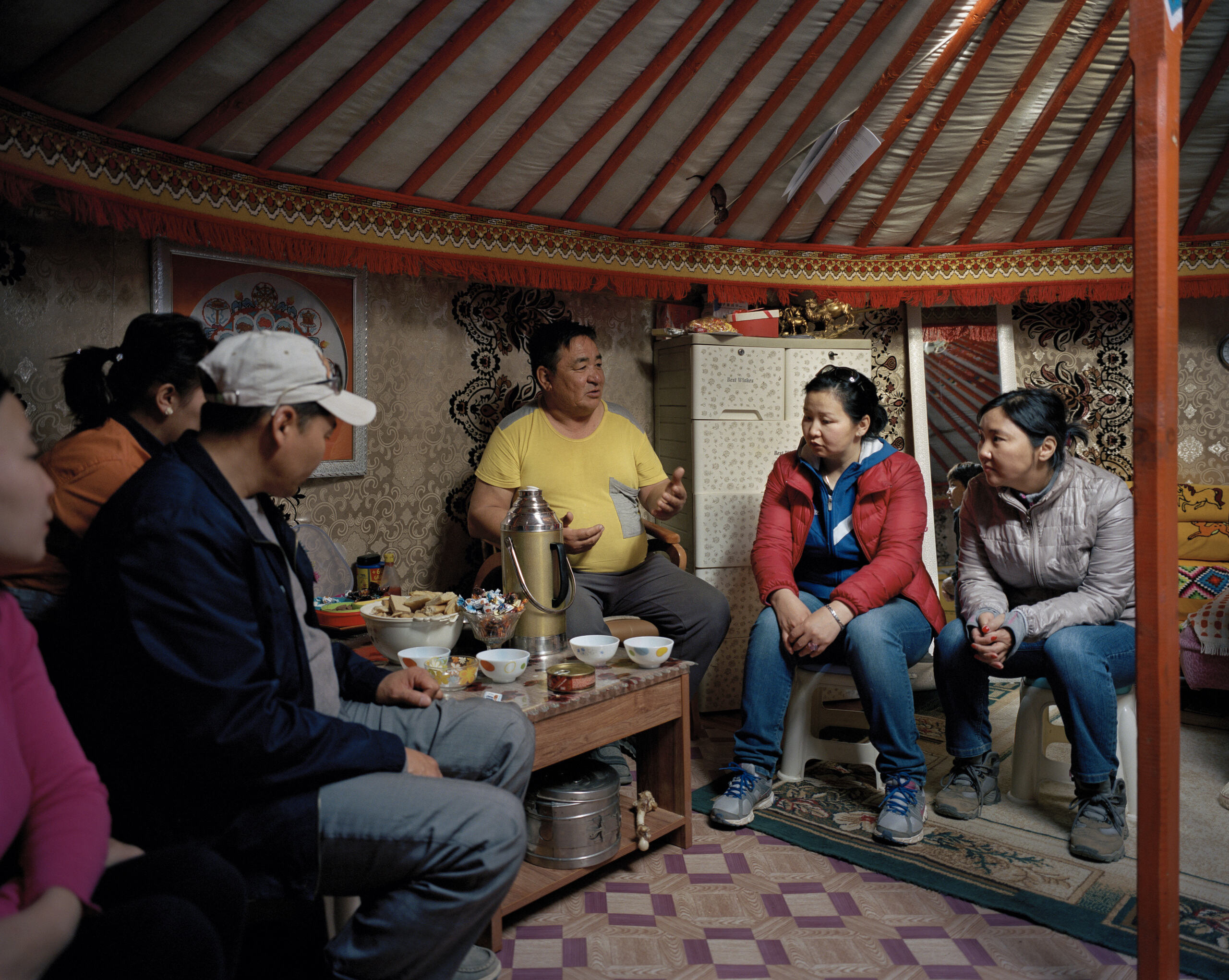
In October 2012, a complaint was filed on behalf of nomadic herders impacted by the Oyu Tolgoi project, a US$12 billion investment in a copper and gold mine in Mongolia’s Southern Gobi region. The complainants’ principal concern was the project’s use of land and water, which they claim disrupts their nomadic way of life, and puts their culture and livelihood in jeopardy. After CAO facilitated substantial engagement between representatives of the mining company, herders, and local government through a dispute resolution process, the parties reached comprehensive agreements to address the issues raised, including project impacts on the main tributary of the Undai River, and developed detailed action plans for implementation.
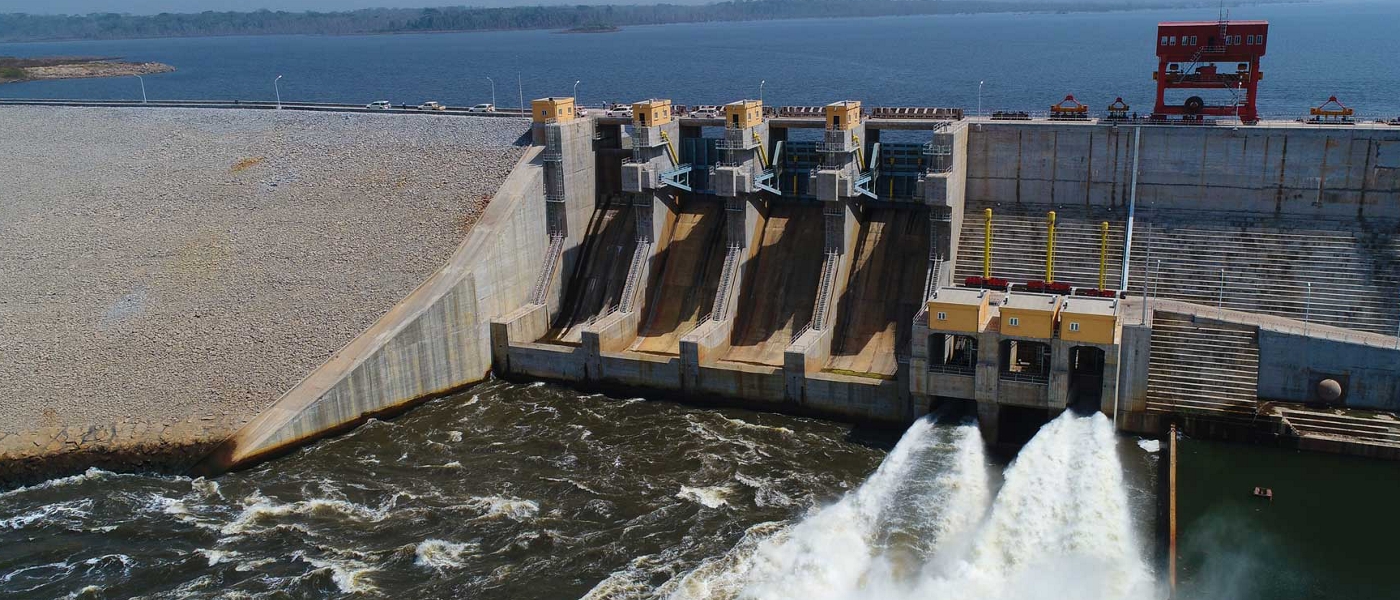
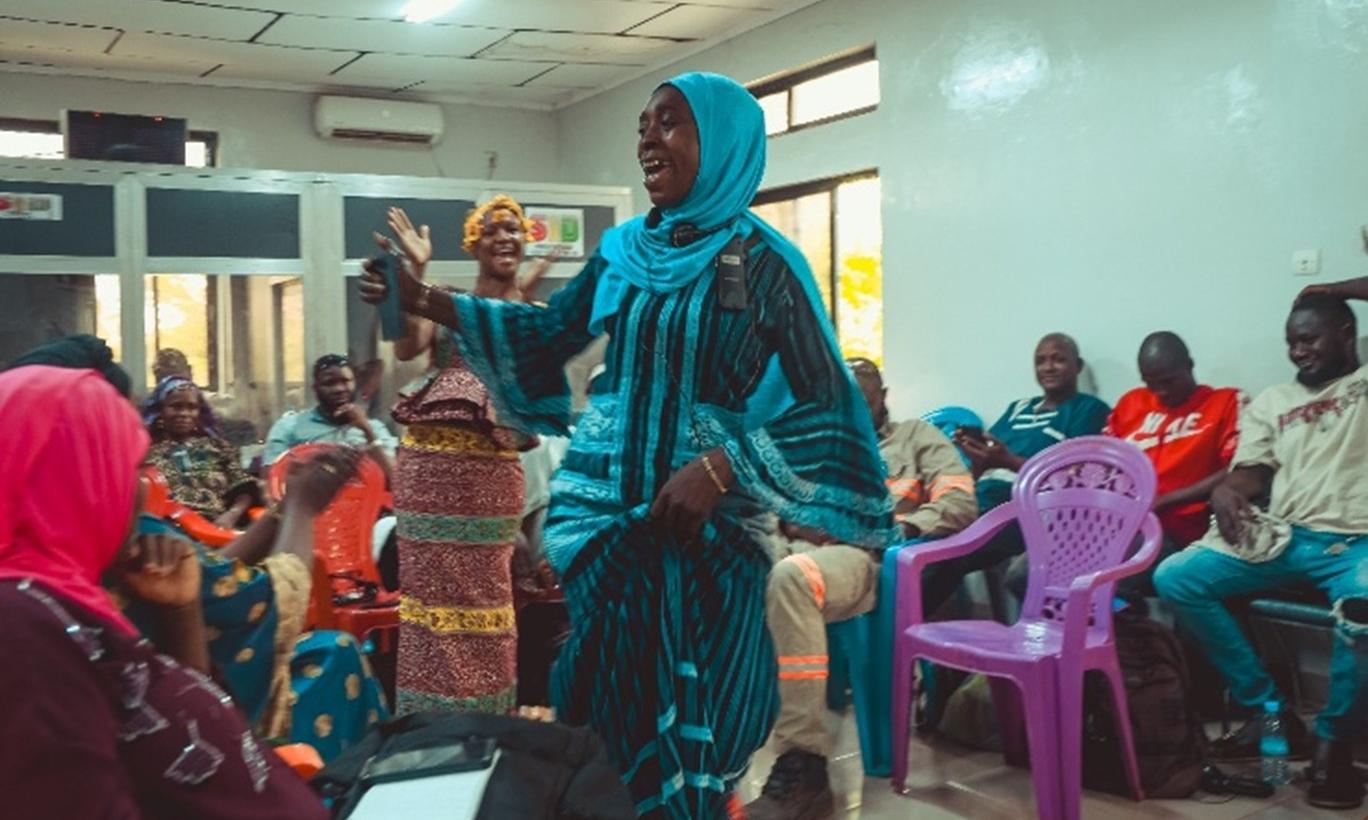
Hydropower projects similarly affect river flows, water access, and aquatic livelihoods. In April 2022, CAO received a complaint from communities living near the Nachtigal hydropower project on the Sanaga river in Cameroon, citing a range of environmental and social concerns. These included loss of income due to environmental impacts such as reduced rainfall and declines in the numbers of fish and healing plants, as well as impacts on crops. Working with the independent accountability mechanisms (IAMs) of several other development finance institutions (DFIs) also involved in the project – that also received complaints – CAO established a dialogue process and continues to facilitate regular meetings to support implementation of an agreement reached by the parties of the case.
As communities and organizations around the world mark World Water Day, the issues reflected in our cases have become more critical. Depleted freshwater sources are under growing pressure from industrial, agricultural, and household demand. And as the impacts of climate change make themselves felt, and unpredictable rainfall patterns and prolonged drought further intensify this pressure, CAO’s decades of experience in addressing water-related disputes is more relevant than ever.
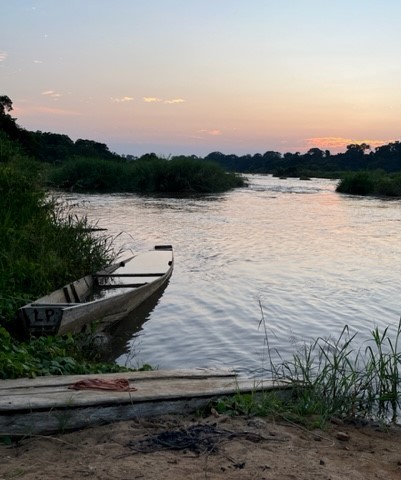
Photo credits: 1-3) Chile: Empresa Electrica Pangue. CAO, 2006; 4) Mongolia: Oyu Tolgoi Mine. Felix Davey/CAO, 2015; 5) Cameroon: Nachtigal Hydropower. IFC, 2010; 6) Cameroon: Nachtigal Hydropower. CAO, 2023.