Paths to Trust: Inside Guinea’s Evolving Dialogue Between Communities and Mining Industry
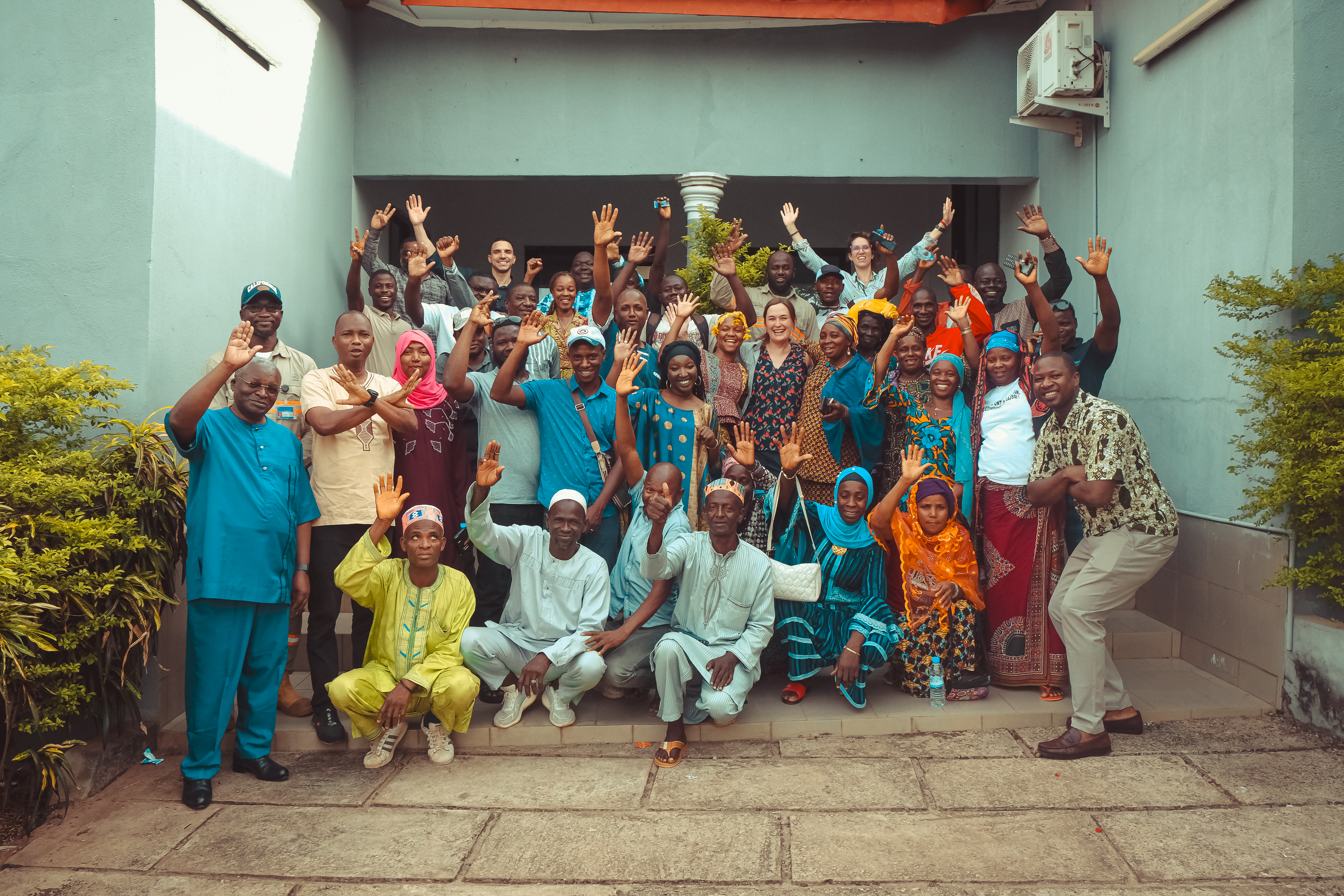
It is Tuesday morning in Sangaredi, a mining town nestled in Guinea’s Boké region. The atmosphere is alive with music and dance as representatives from the mining company Compagnie des Bauxites de Guinée (CBG) join members of 13 local communities. Together, they dance, share laughter, and enjoy a communal meal. Their celebration marks a milestone: a hard-won interim agreement addressing some of the longstanding impacts of mining on their lives and land in the region.
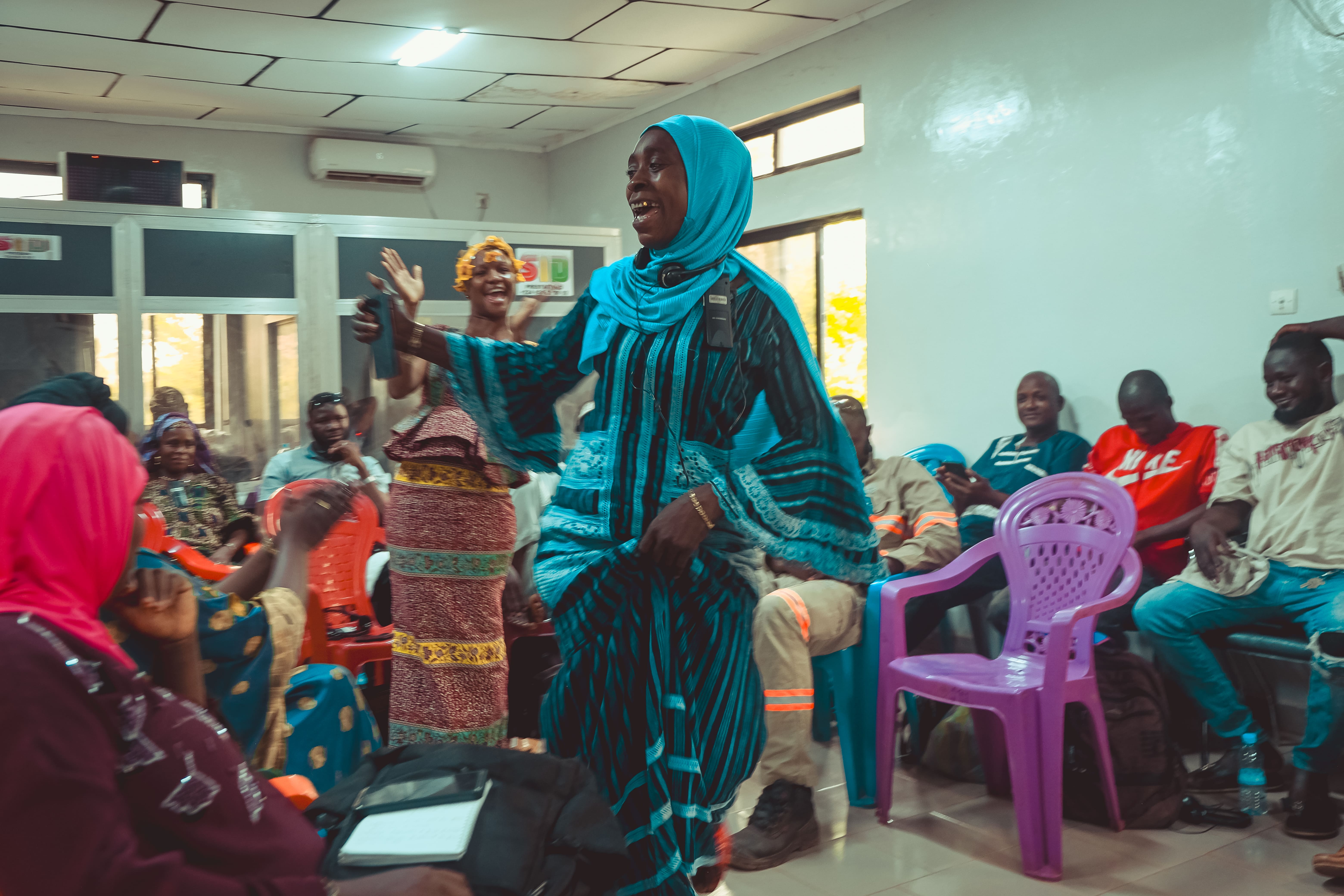
But this harmony was hard-earned. Not long ago, laughter was rare, and dancing was even rarer. Instead of celebration, there were disputes and resentment. So, what sparked this transformation?
A Complex Setting
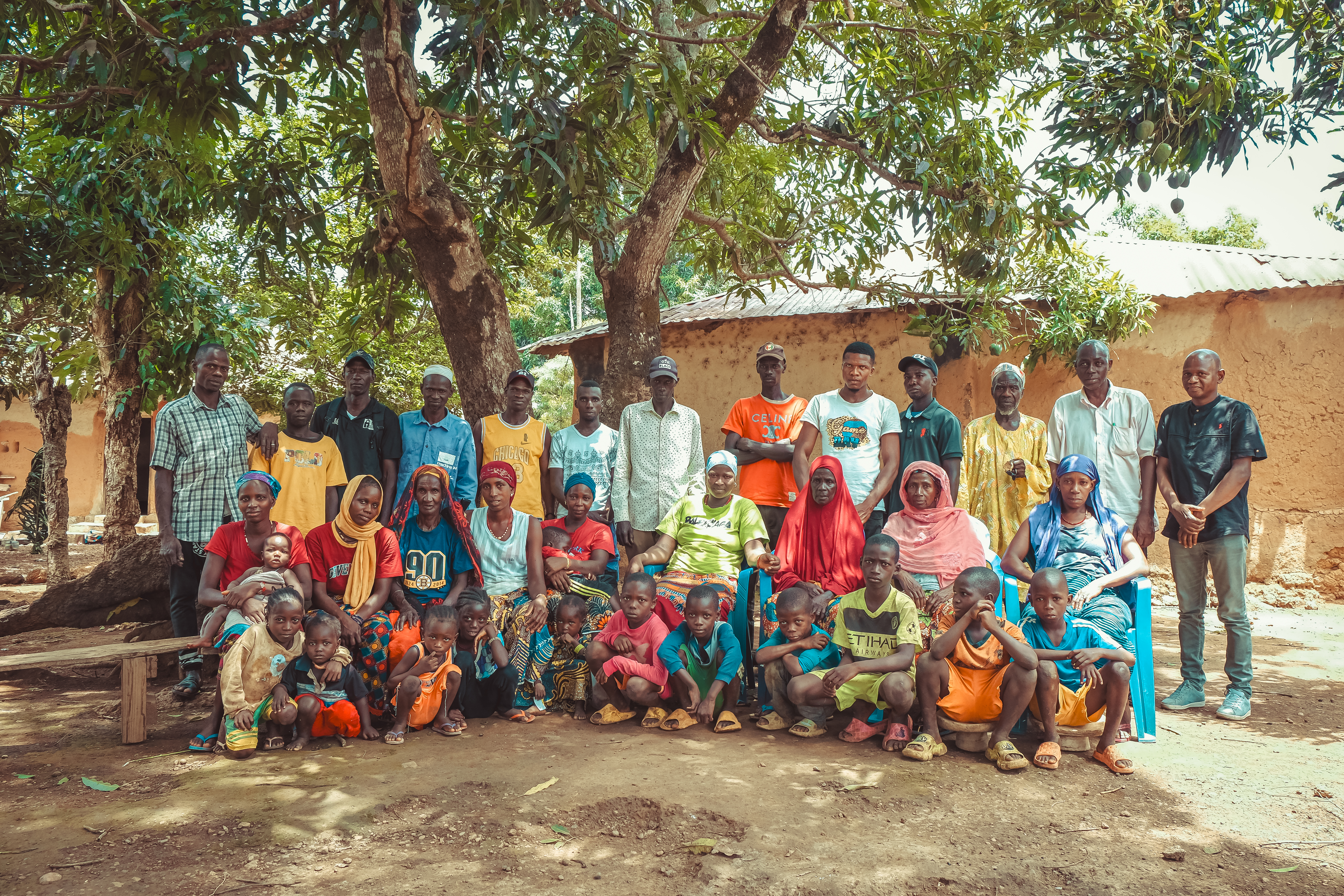
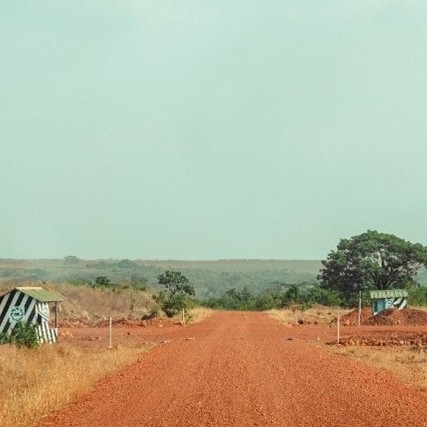
Sangaredi lies about 341 kilometers from Conakry, Guinea’s capital. The road connecting the two towns is extremely challenging in places. The villages surrounding Sangaredi remain deeply isolated, shaped by centuries of self-sufficiency and ancestral traditions closely intertwined with the land. Sangaredi itself, however, is home to approximately 76,000 people, whose lives are closely connected to the activities of the nearby bauxite mine.
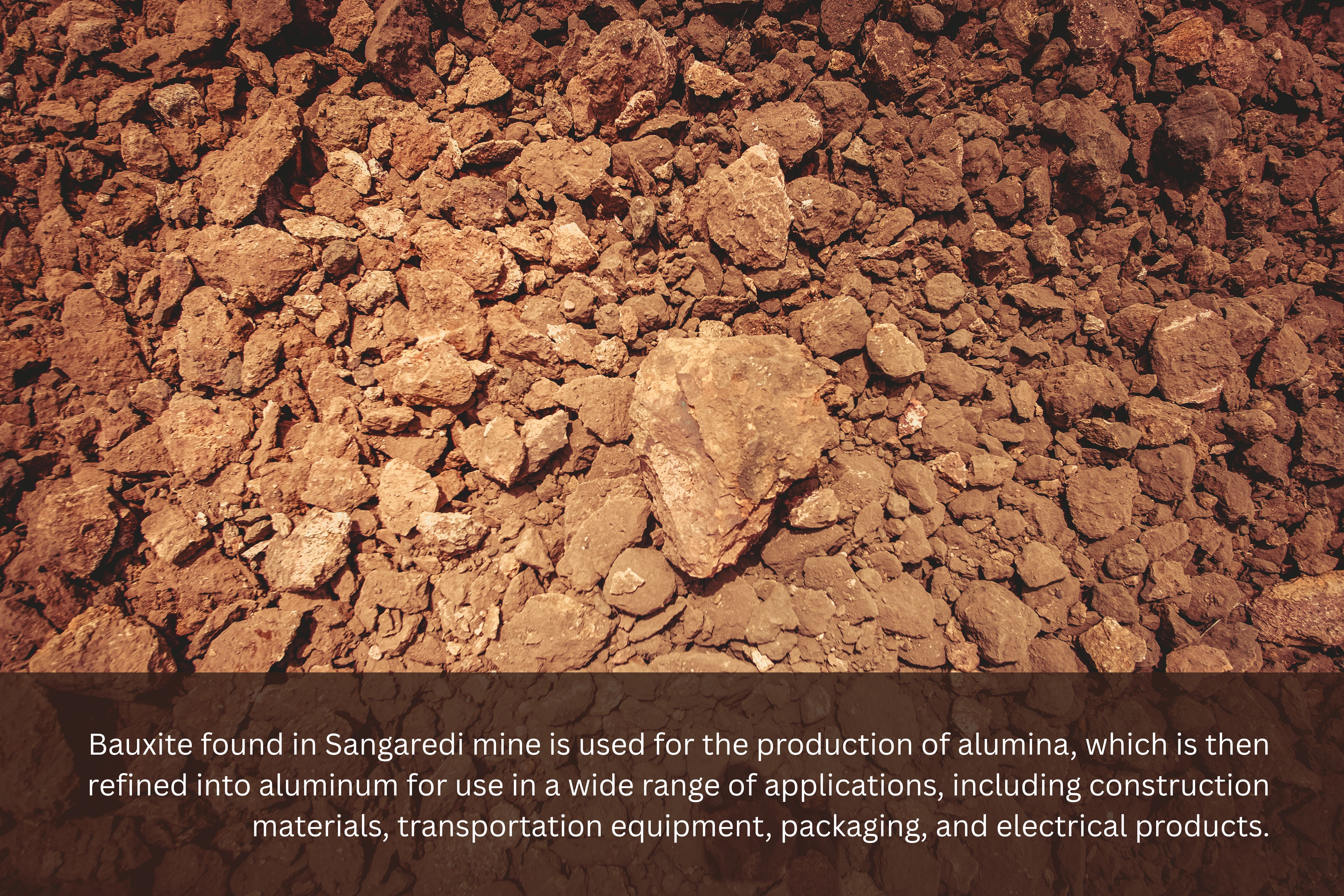
Guinea holds roughly one-third of the world’s known bauxite reserves, making the mineral a pillar of the national economy. CBG, established in 1963 and operational since 1973, runs one of the largest open-pit bauxite mines in the country. The company is 49 percent owned by the Government of Guinea and 51 percent by Halco Mining Inc., a consortium comprised of Alcoa, Rio Tinto, and Dadco.
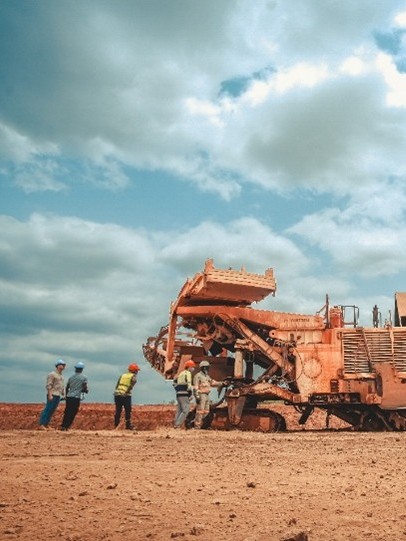
Since 2016, IFC has supported CBG with a senior debt facility of up to USD 200 million to finance the expansion of the Sangaredi bauxite mine, its processing plant, and associated infrastructure.
But for local communities the mine’s growth came at a cost. In February 2019, 13 villages neighboring the expansion of the Sangaredi mine filed a complaint with CAO, supported by the Centre de Commerce International pour le Développement (CECIDE), the Association pour le Développement Rural et l’Entraide Mutuelle de Guinée (ADREMGUI), and Inclusive Development International (IDI). The complaint raised concerns related to lack of compensation for land loss and displacement, impacts on livelihoods, safety risks linked to mining operations, and air and water pollution. It also cited insufficient consultation, limited information disclosure, and weaknesses in the company’s grievance mechanism.
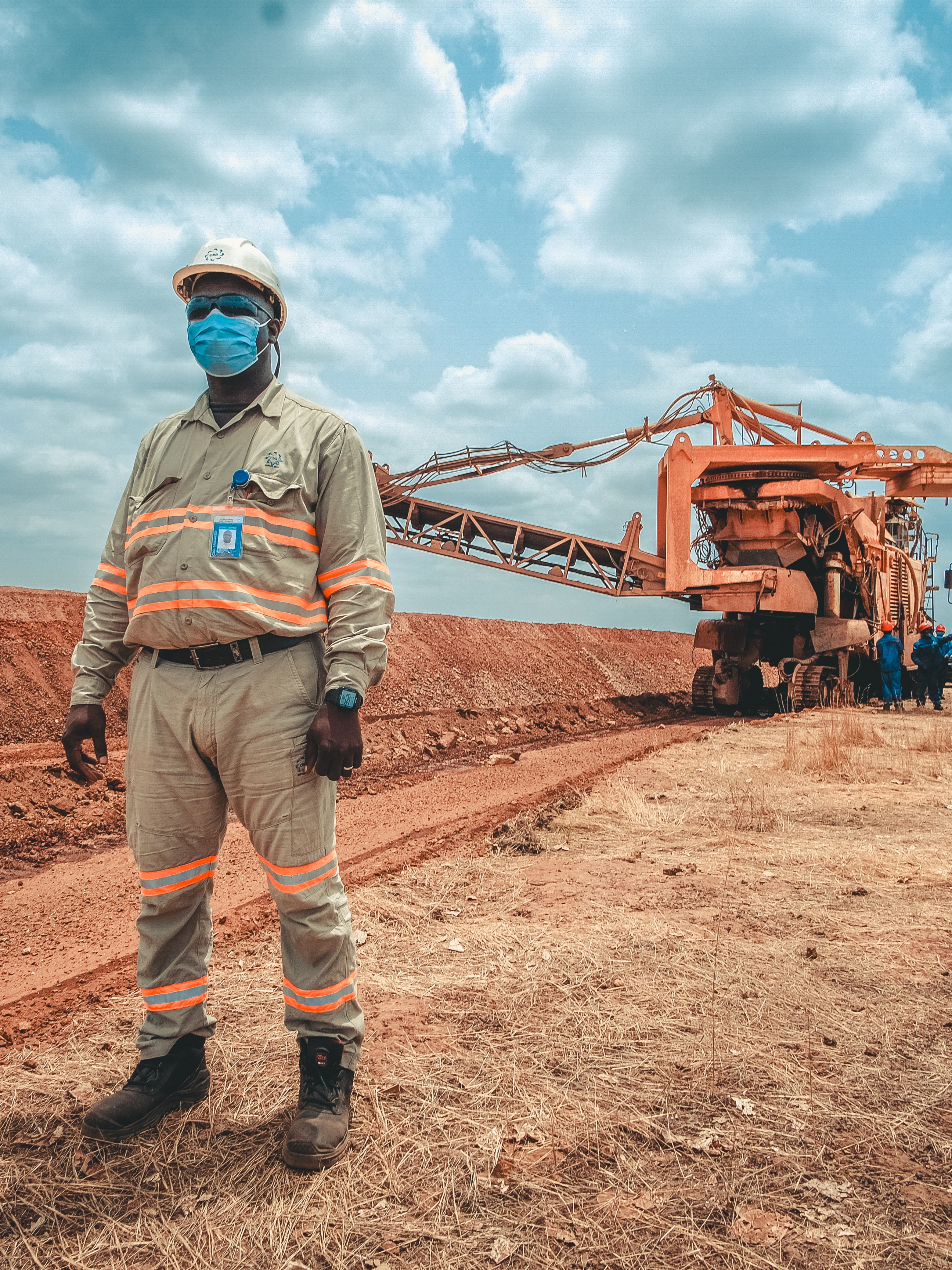
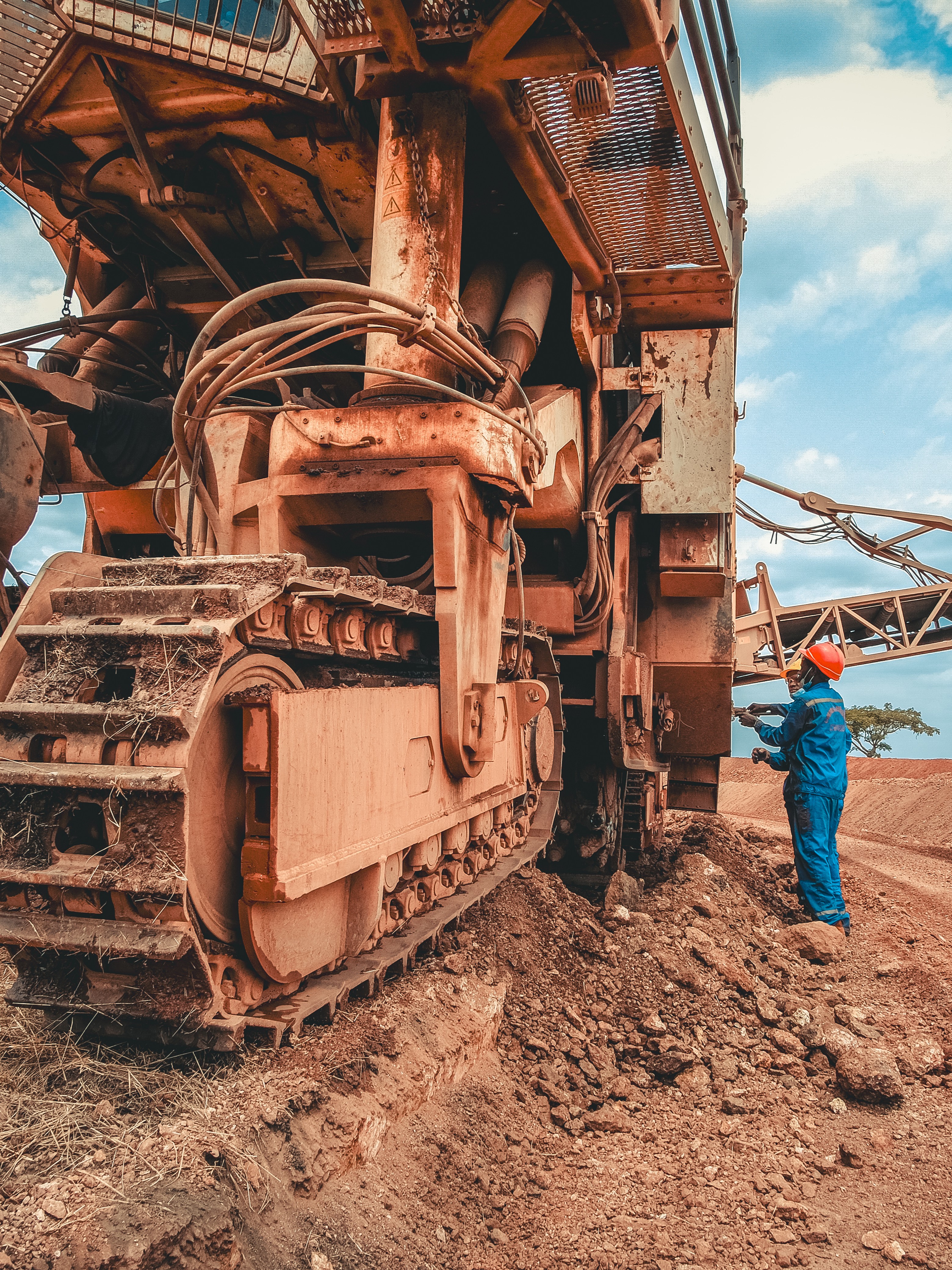
Before the start of the mediation, we did not dare approach the company. We were worried anytime we saw someone wearing the company’s uniform. Now, if we want to see them, we can call and ask them to come.
Through IFC’s involvement, the communities gained access to an avenue they previously lacked: the Compliance Advisor Ombudsman, IFC and MIGA’s independent accountability mechanism, through which they could seek redress.
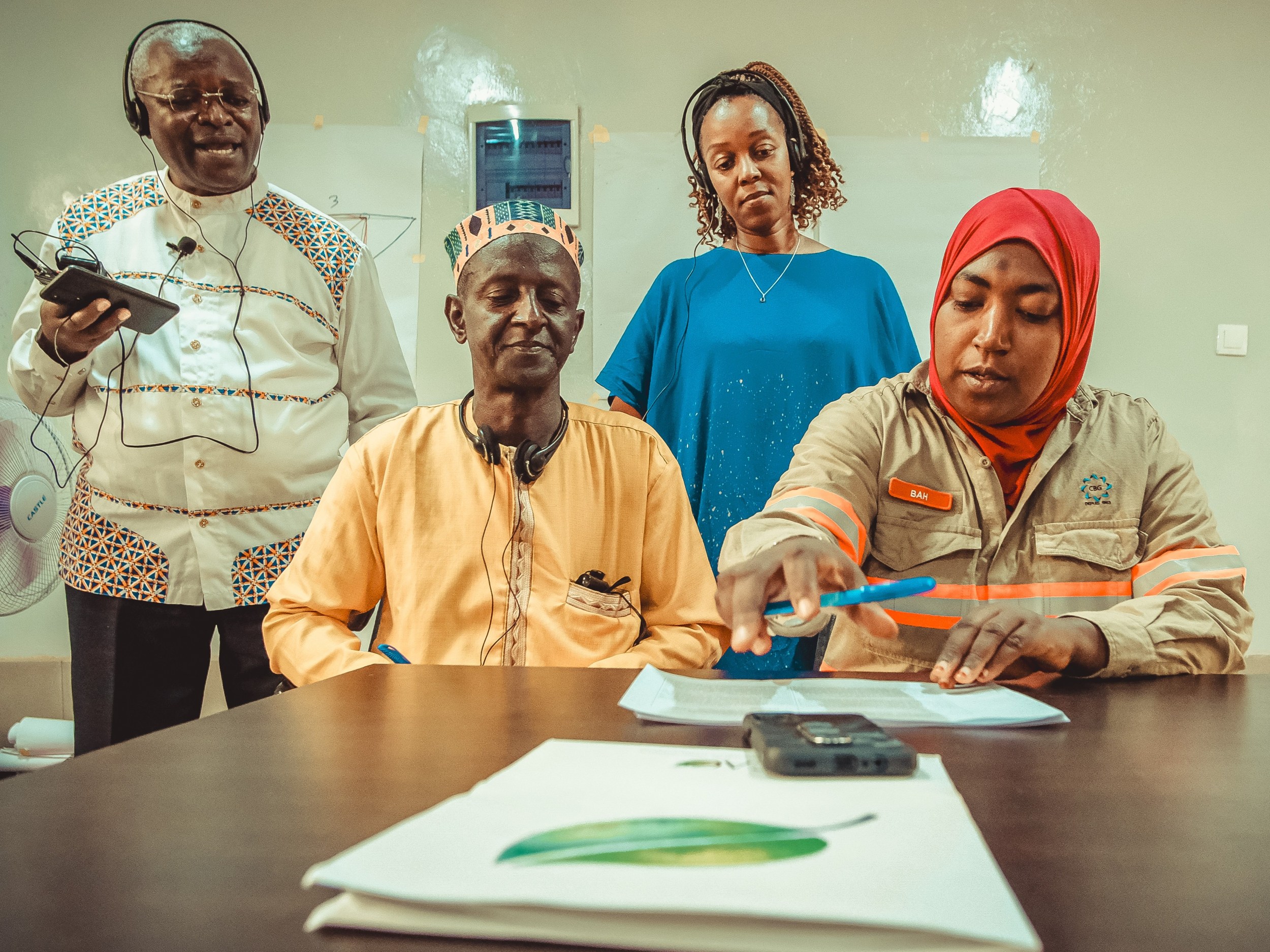
The first step was learning how to negotiate. In August 2019, CAO launched capacity-building workshops for both CBG representatives and community members. These sessions introduced mediation principles, strengthened communication skills, and helped level an uneven playing field by bringing communities and company representatives to the same table.
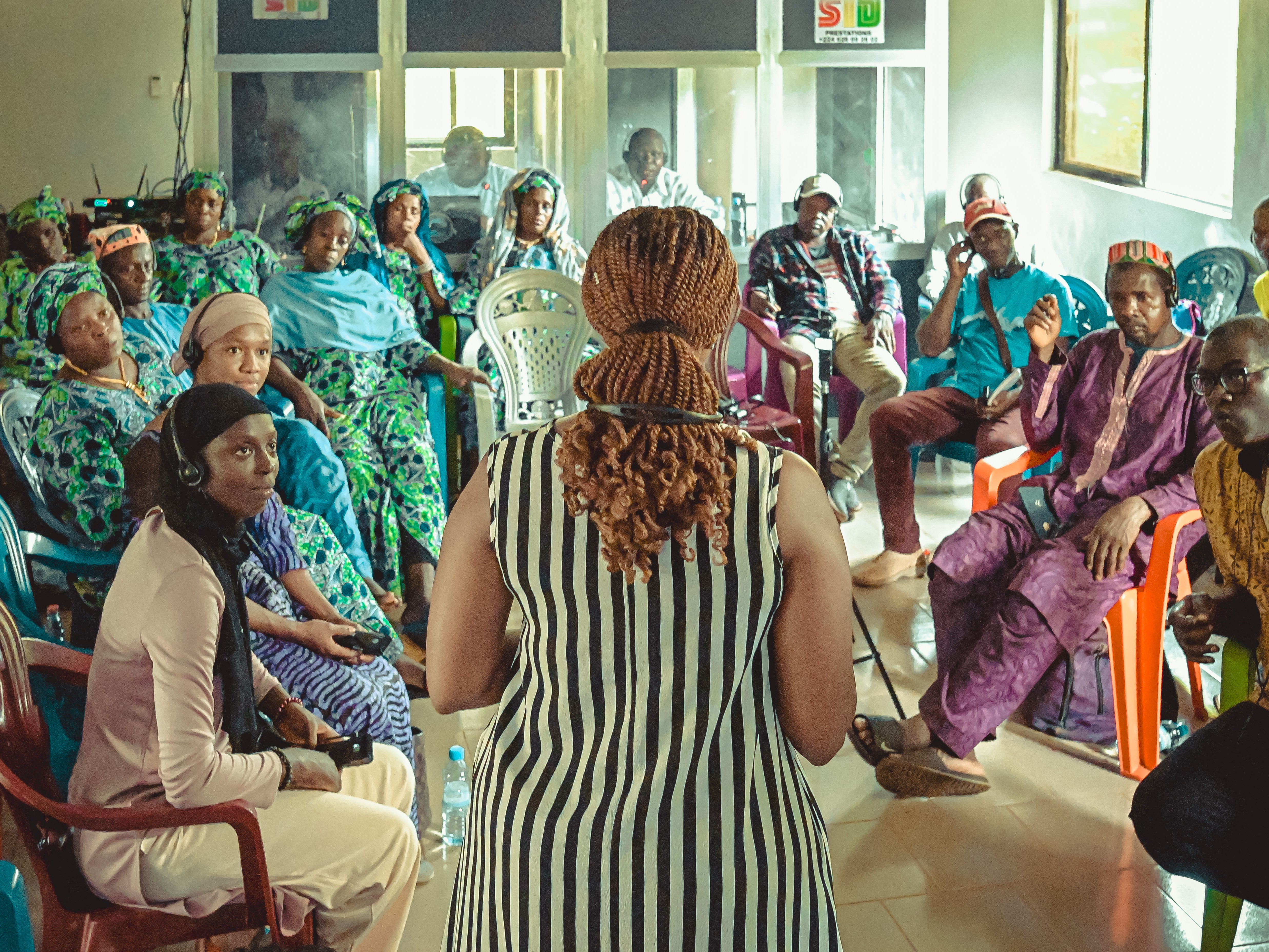
We gained tremendous knowledge through this mediation. The mediators taught us how to maintain human relationships without damaging disputes, and to understand our rights and duties as well as the company’s responsibilities toward us,
CBG employs more than 2,400 permanent workers and operates primarily in French. By contrast, the communities involved, approximately 500 individuals across 13 villages, primarily speak Puular. To bridge this gap, CAO assembled a team of five interpreters to ensure that both oral and written communication was available in Puular, French, and English. CAO also hired a dedicated community liaison based in Guinea, who regularly travels between Conakry and Sangaredi to follow up on agreed actions.
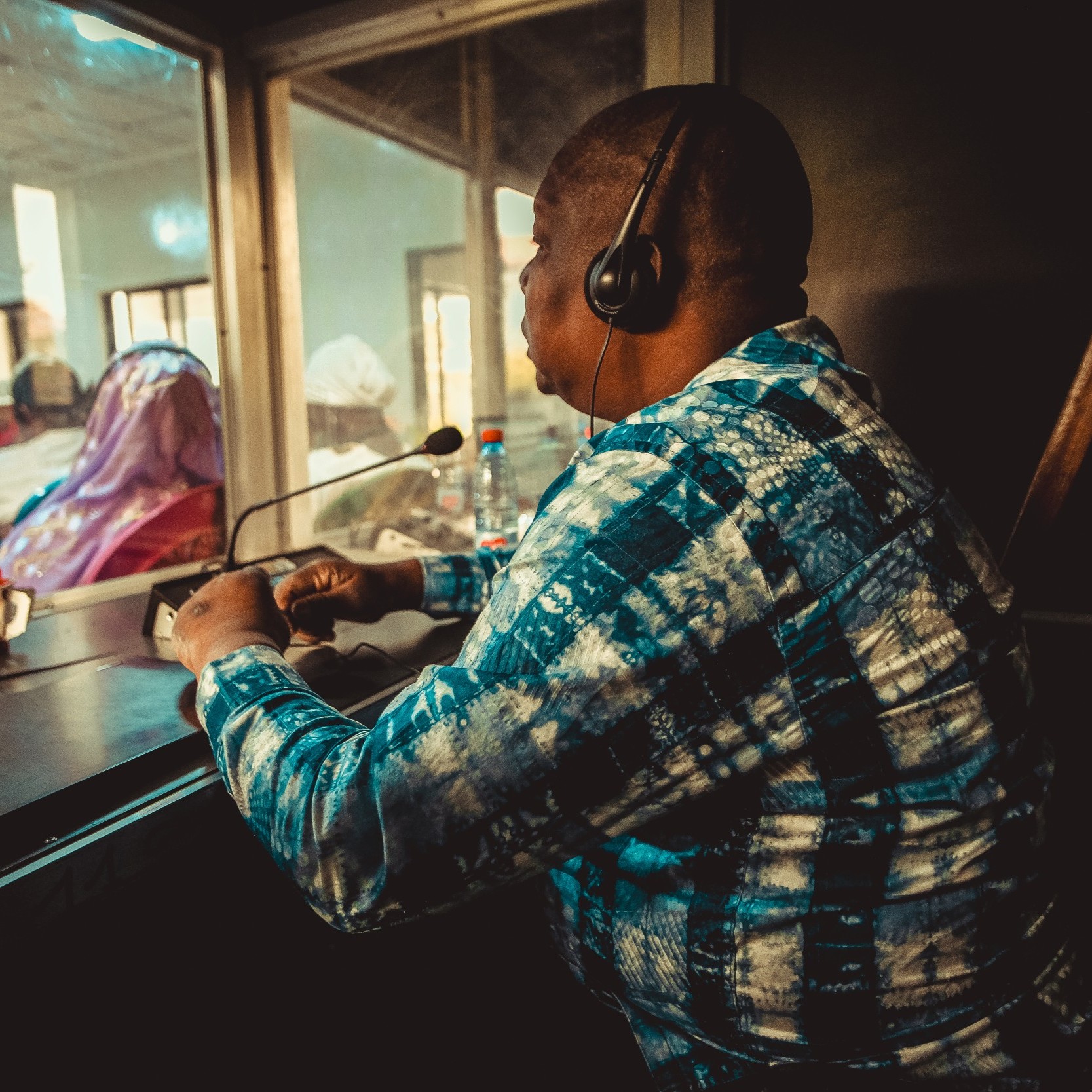
The case also marked the first time a CAO staff member served as a mediator while based in Africa, enabling close engagement with the parties and helping ensure that momentum was maintained.
Building Trust, Slowly
In 2020, at the height of the COVID-19 pandemic, CAO’s mediation team facilitated five joint meetings. One early outcome was the signing of a Ground Rules Agreement, which established a framework for respectful and constructive dialogue. Over time, what began as tense and polarized conversations evolved into joint problem-solving sessions.
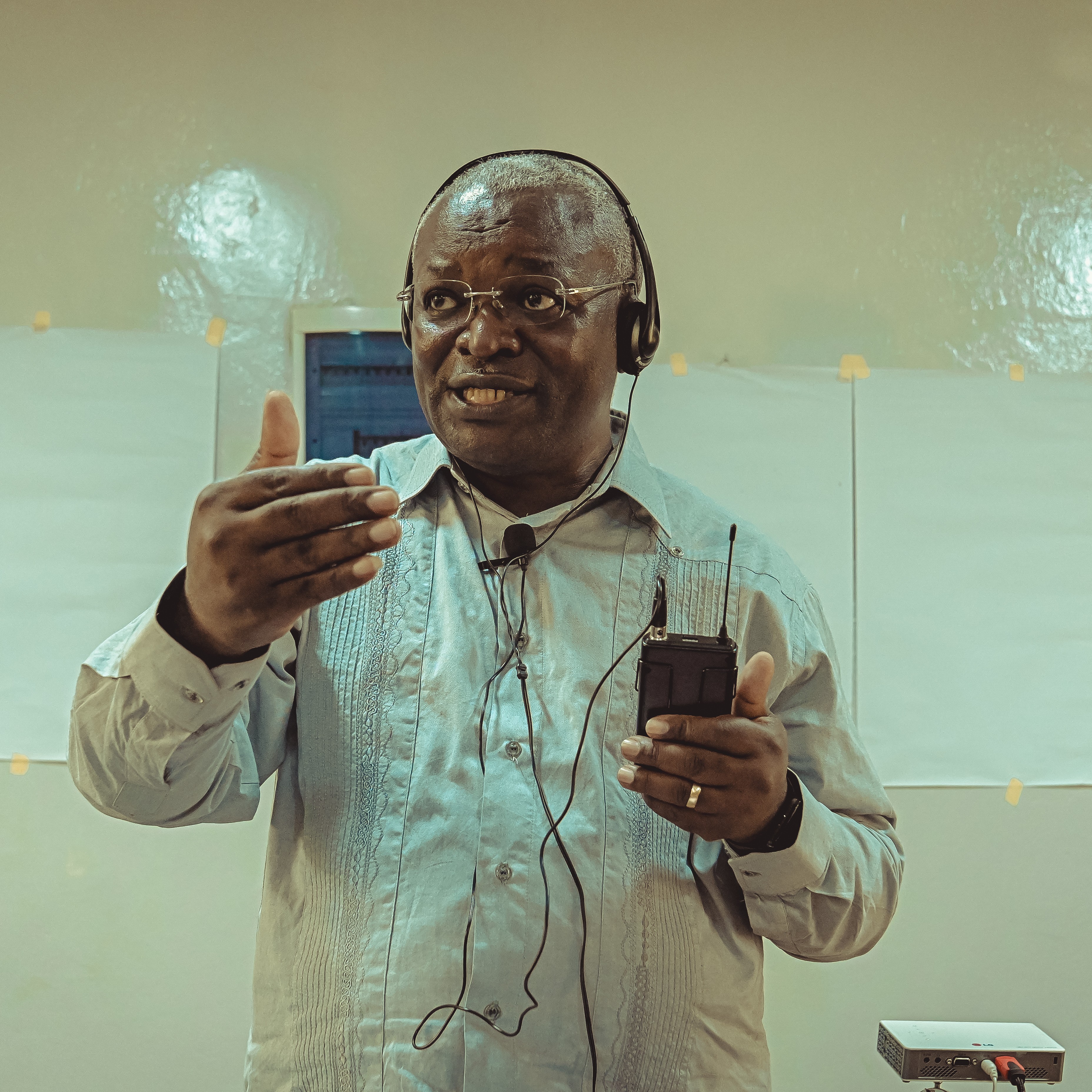
“My satisfaction has been seeing the evolution of the relationship between the two parties,” says John Katunga, CAO’s Lead Mediator. “They were very far apart in terms of trust and collaboration. Now there is fluidity. People interact more amicably, even outside the mediation room. That is what will sustain the agreements they reach.”
A Celebration of Progress
By October 2021, the parties reached their first formal agreement related to blasting. The agreement aimed to reduce impacts on people, homes, and animals by establishing a 1,000-meter buffer zone around villages during blasting, introducing surface miners 500 meters from villages to reduce dust and noise, and requiring advance consultation before opening new pits.
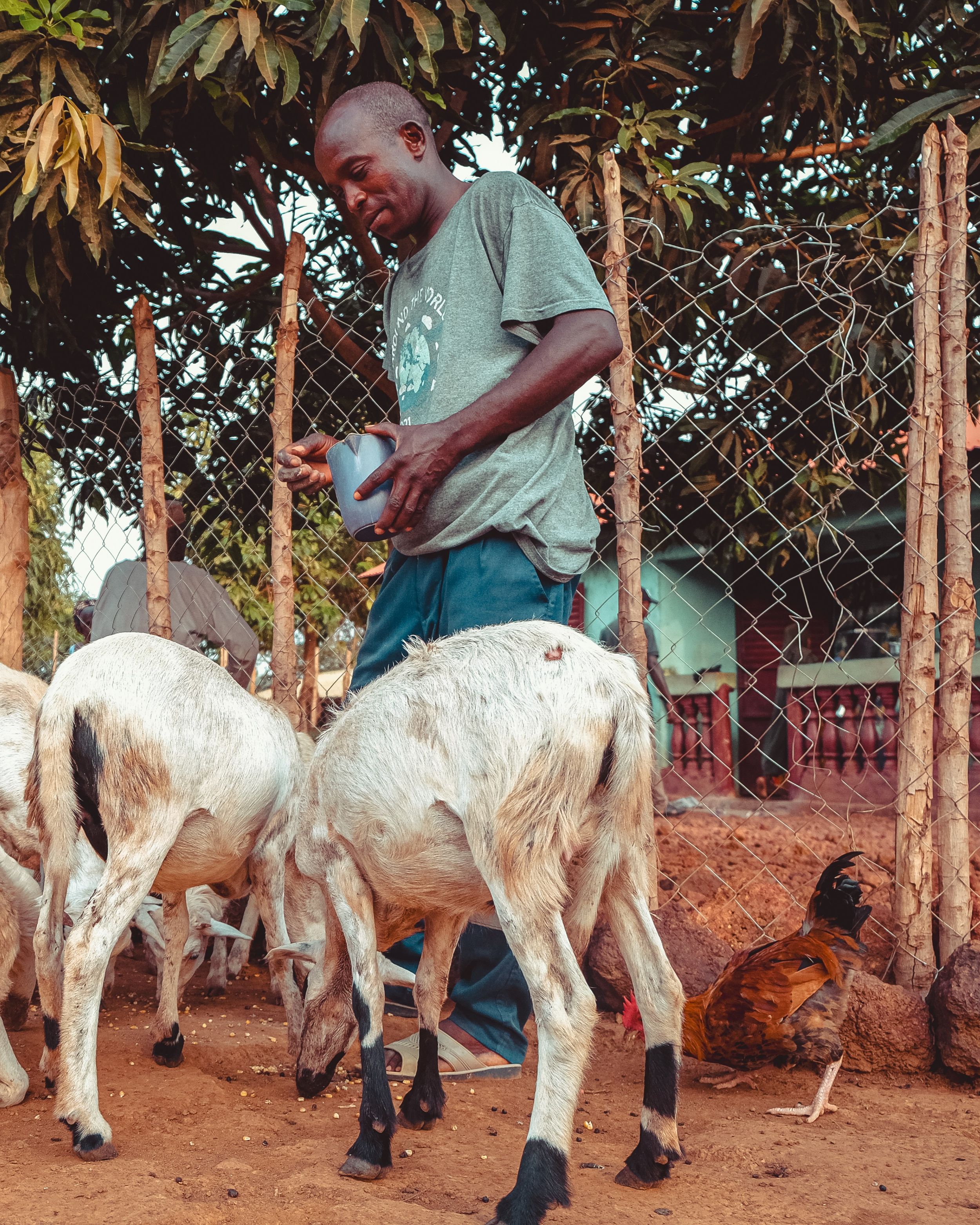
At the May 2025 gathering in Sangaredi, the parties signed a Stakeholder Engagement Agreement covering community access to information and grievance management. They also formalized Water and Blasting Agreements, which led to new boreholes, including solar-powered systems to operate them, upgraded wells, training in home construction and repairs, respect for buffer zones during mining, and livestock vaccinations. The event marked concrete progress on community concerns and a strengthening of mutual respect and trust.
These agreements were the result of extensive negotiations that drew on existing company policies and ongoing policy updates. While some commitments reflected practices already included in CBG’s internal frameworks, the mediation process also helped formalize and reinforce these commitments through jointly agreed actions.
Finding solutions together with the communities, because they are truly part of the solution, and following through on implementation has significantly reinforced confidence between the communities and the company,
Before, when someone was sick, we could call CBG for help and no one came. Now, even at 4 a.m., when we call for an ambulance from the CBG hospital, they come. The mediation solved that problem,
Challenges Along the Way
The mediation process has been slow and resource-intensive. Geographic isolation, the COVID-19 pandemic, political instability including a 2021 coup d’état, limited meeting infrastructure, multilingual engagement, and multiple decision-making layers all contributed to delays.
CAO classified this as a complex case due to the number of communities involved, variations in language and literacy levels, and the power asymmetry between the parties.
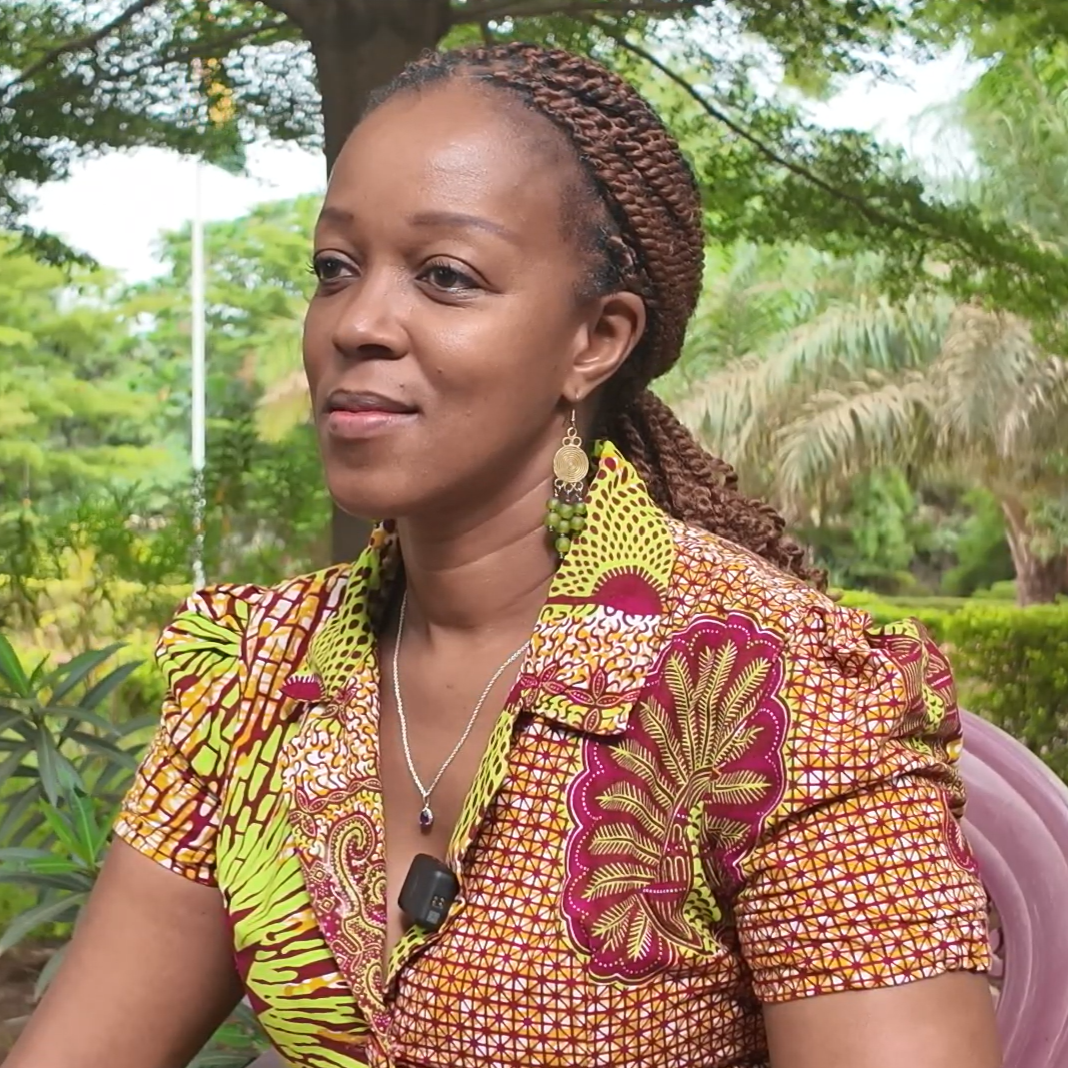
“One key lesson from this process has been learning how to integrate mediation approaches with existing community traditions, so the process feels familiar and effective rather than imposed,” explains Nokukhanya “Nox” Ntuli, Head of CAO’s Dispute Resolution Team.
Measurable Change, Ongoing Dialogue
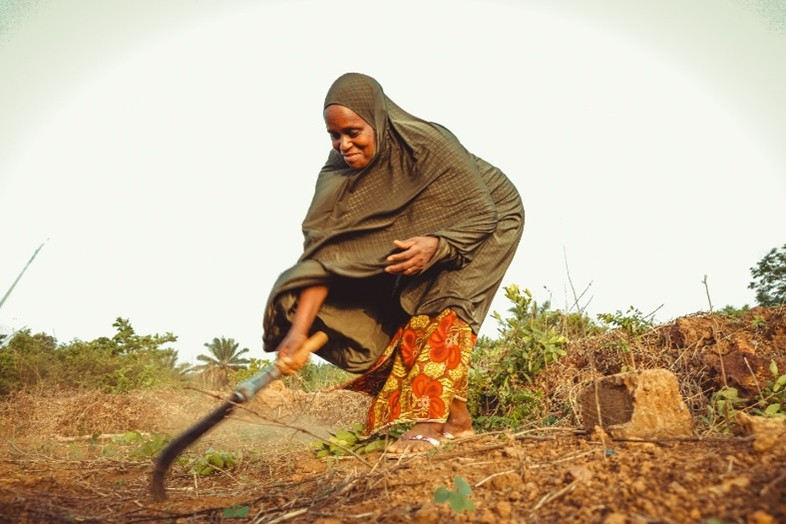
Although the full outcomes of the mediation are still emerging, tangible improvements are already visible. Communities now have access to water through new boreholes, emergency medical support is available, and dialogue between the company and communities is ongoing. Women have also taken on new roles through capacity-building initiatives such as vegetable gardens and tree nurseries developed in partnership with other organizations.
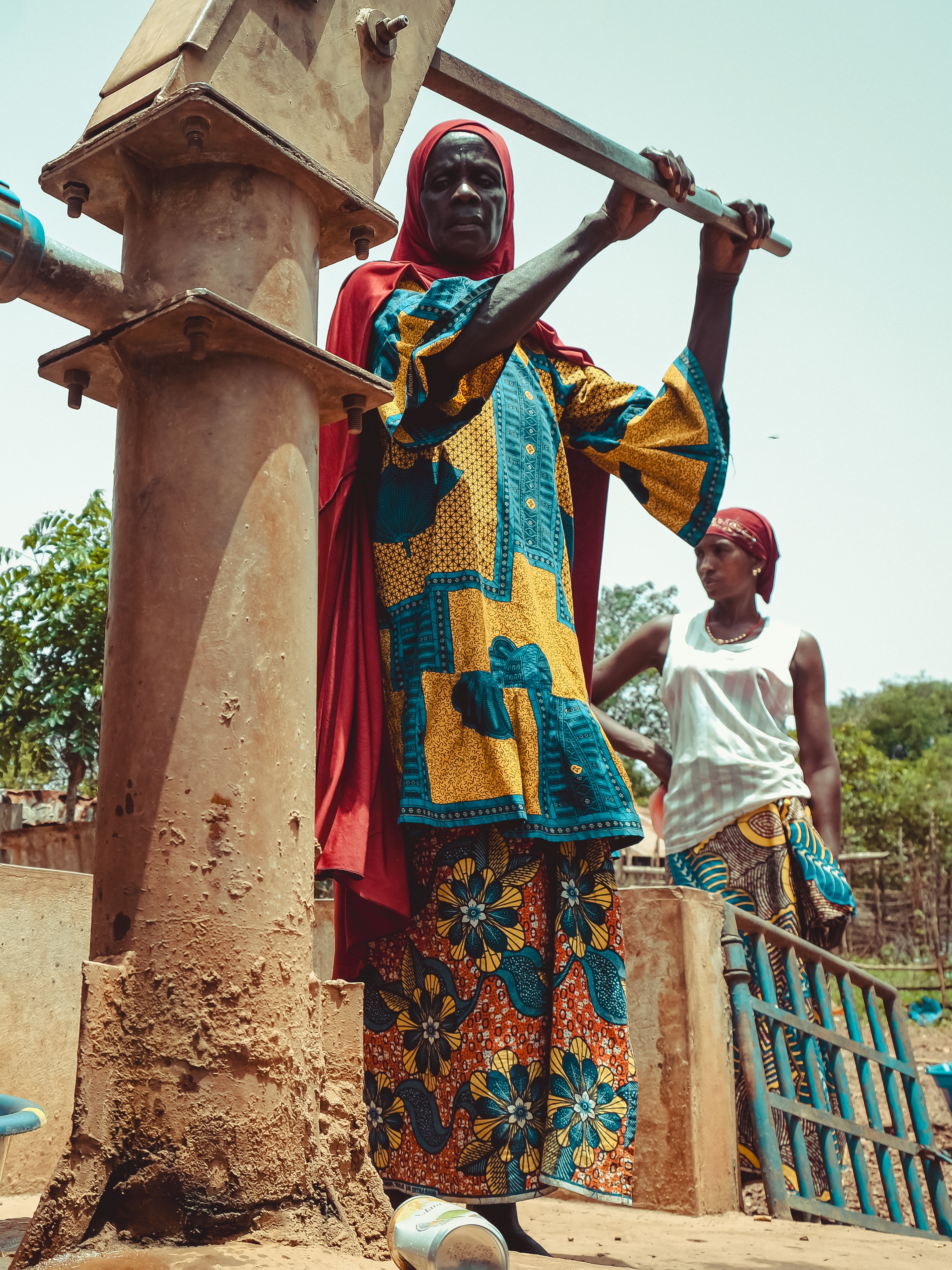
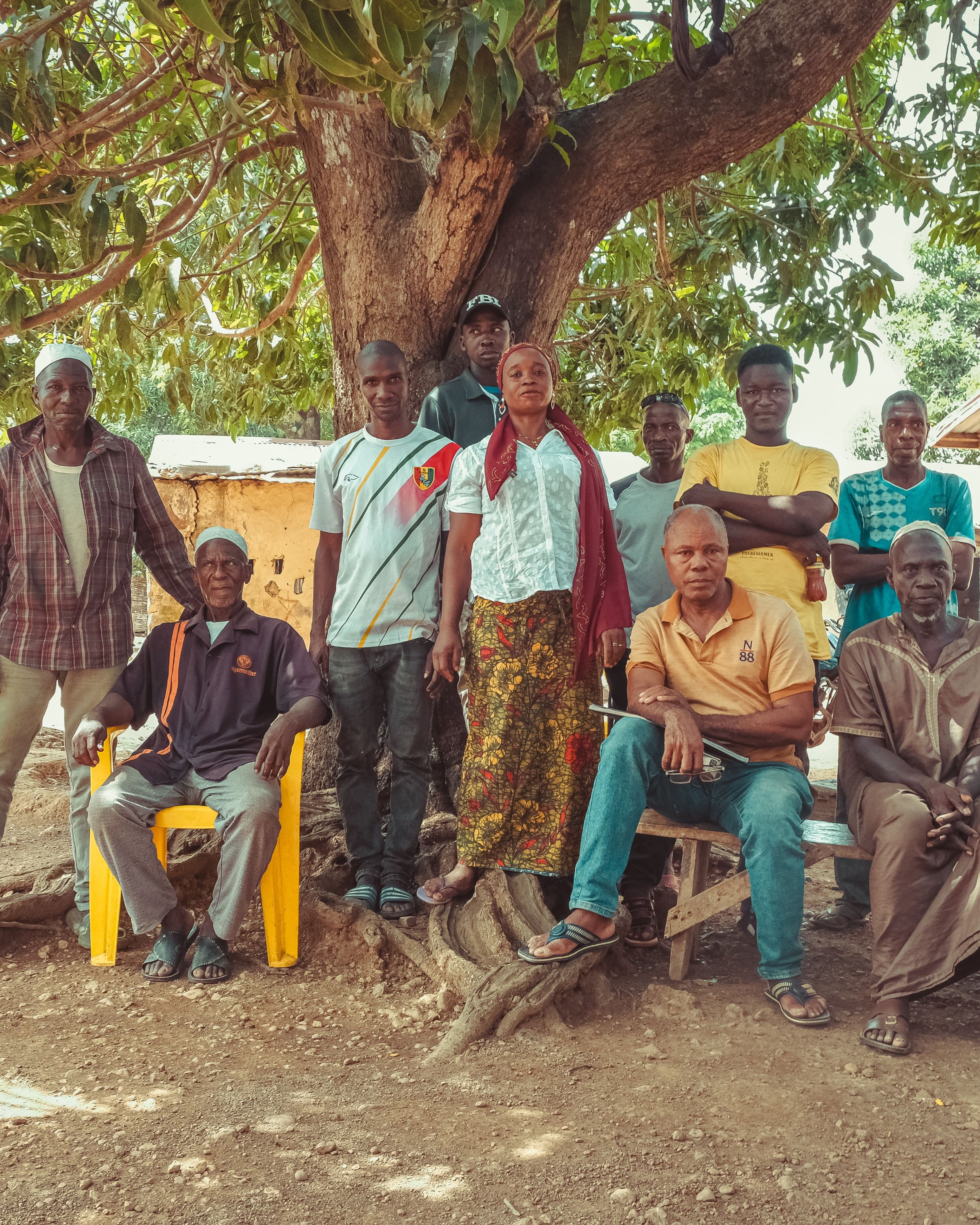
Thanks to the mediation, women received training and started vegetable gardens and a tree nursery, This has strengthened our skills and our relationship with the company,
What Comes Next
The journey between the communities and CBG is far from over, but it has already transformed from one defined by isolation and distrust into one characterized by partnership and recognition.
CAO’s mediation team continues to facilitate joint meetings every two months and maintains regular bilateral communication with both sides as they work toward additional agreements and the consolidation of long-term trust.
Its Friday, and after an intense week of negotiations, the communities, the company, and the CAO team continue to reach interim agreements that marked meaningful progress. Long days of dialogue, shared meals, and collective problem-solving further deepened trust. As participants returned to their communities and daily routines, implementation of the interim agreements began. The parties will reconvene in two months to continue addressing remaining issues.